




 German
  French
  Italian
  Español
  Basque
  Português (BR)
  Português (PT)
  Polish
  Danish
  Romanian
  Bulgarian
  Croatian
  Slovenian
  Chinese
  Chinese (Traditional)
  Russian
  Georgian
  Azerbaijani
  Turkish
  Lithuanian
  Arabic
  Hebrew
  Dutch
Dutch  Hungarian
  Czech
Czech  Greek
Greek  Finnish
  Swedish
  Norwegian
  Romansh
  Ukrainian
  Armenian
  Malay
Malay  Filipino
  Serbian
  Nepali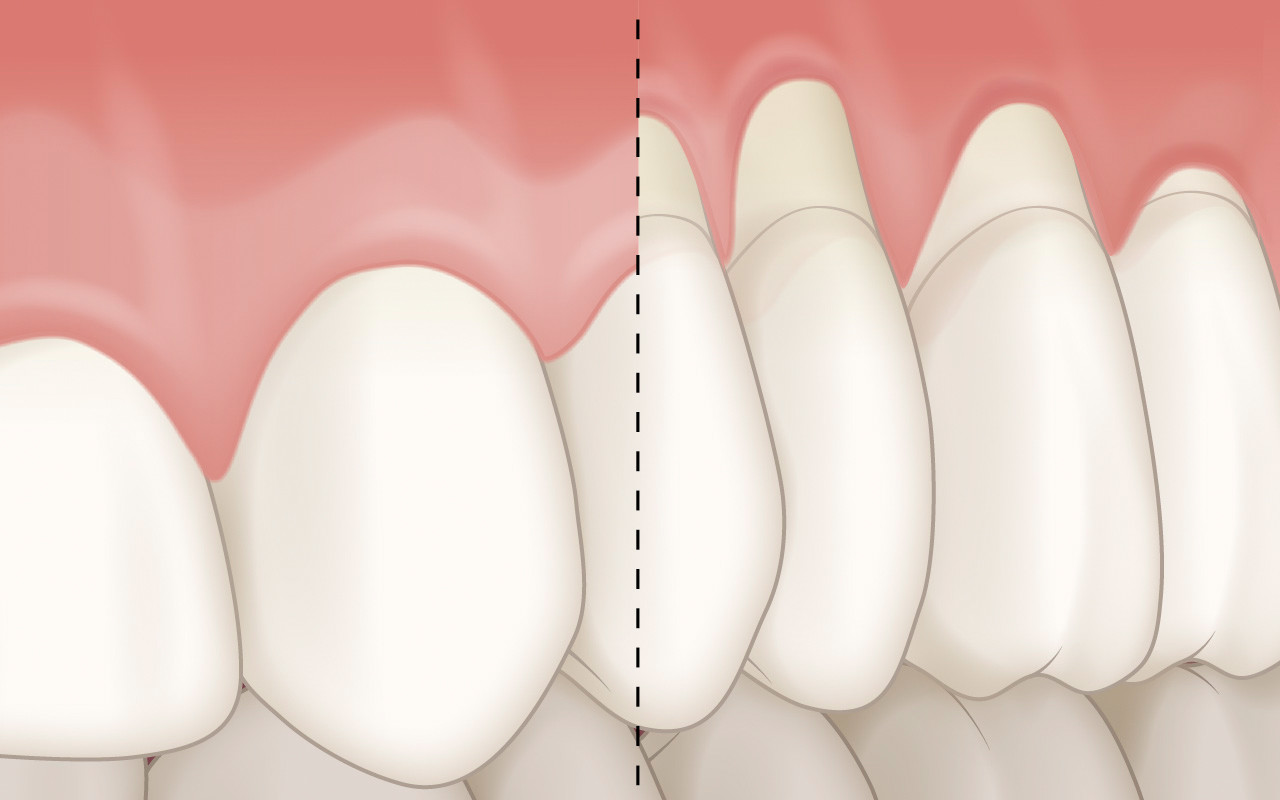
What is gingival recession?
Gingival recession is the receding of the gum margin, which exposes the tooth root. The gums can recede on the outer side of the dentition or, with periodontitis and after its treatment, all around the tooth.
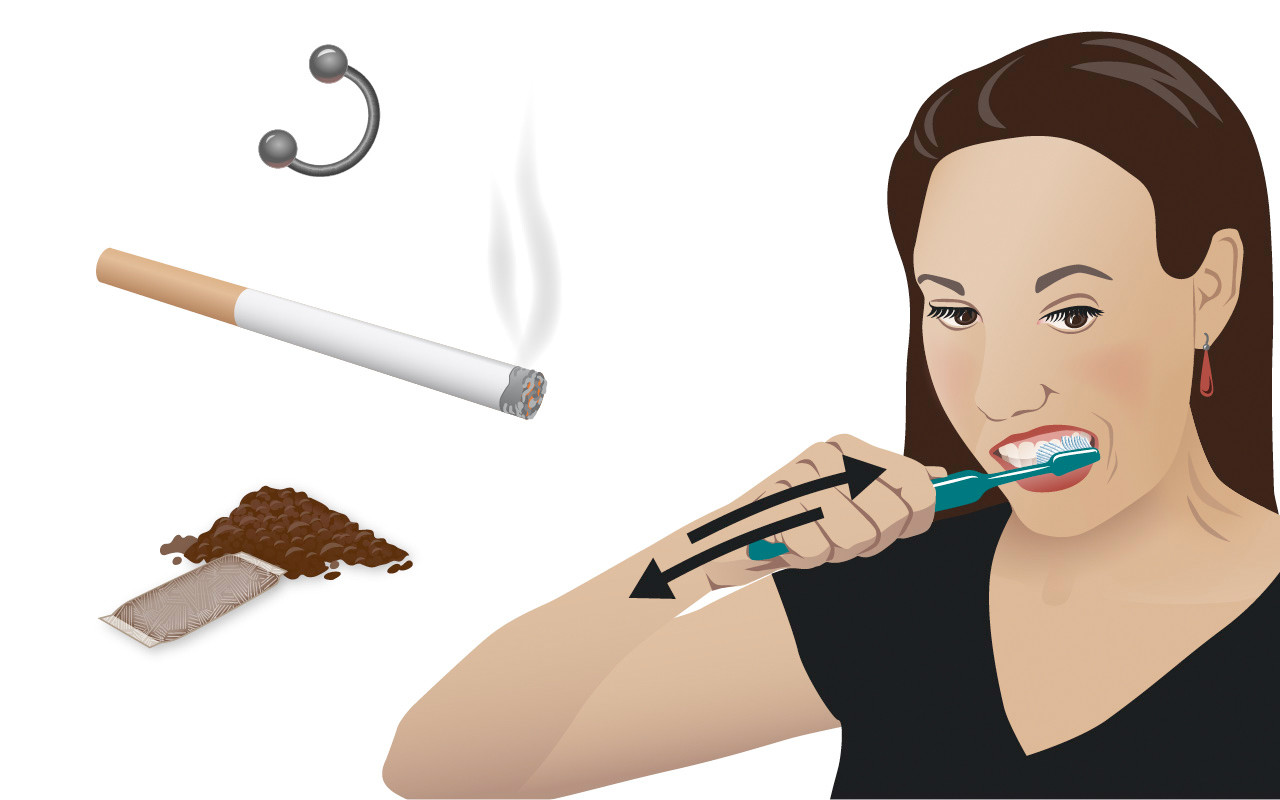
Causes of gingival recession
The most common cause of gingival recession is an incorrect toothbrushing technique, in which frequent scrubbing injures the gum margin. In addition, known risk factors such as smoking, smokeless tobacco (snus) or piercings influence the development of gingival recession.
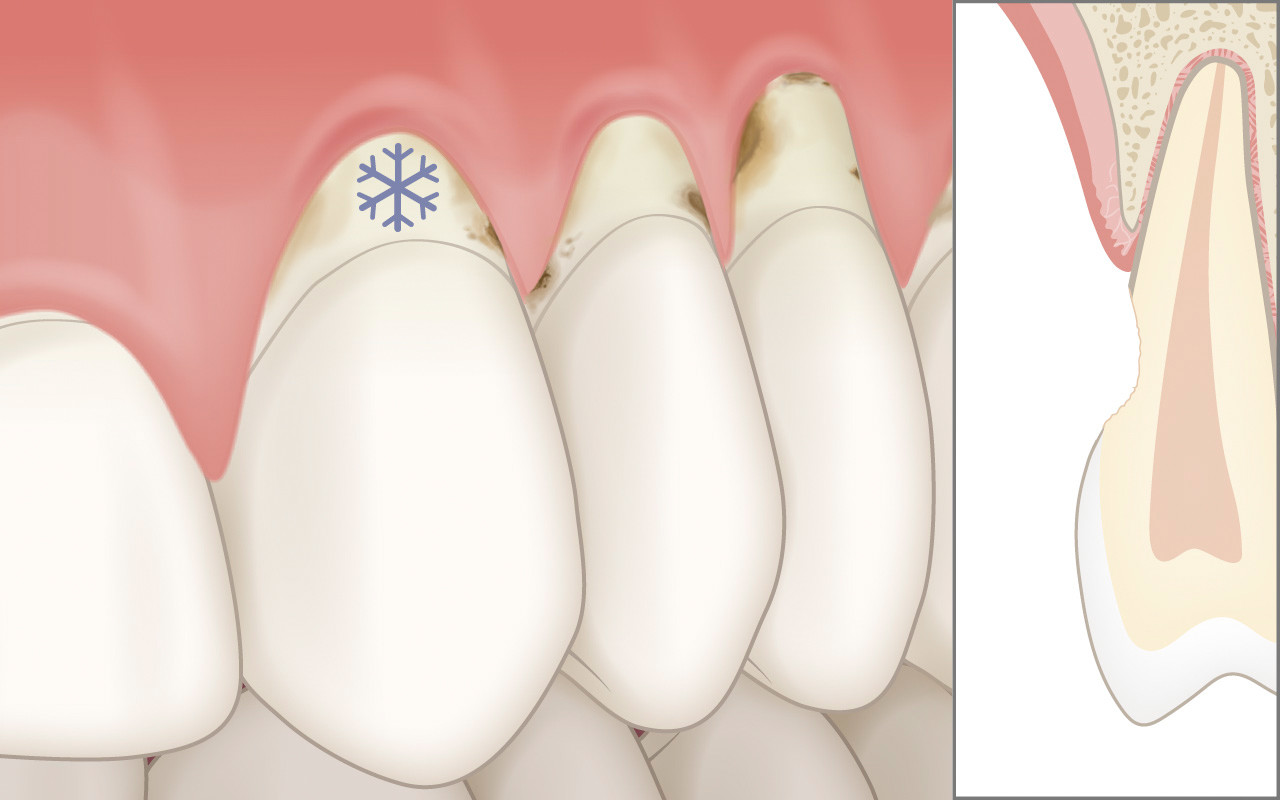
Consequences of gingival recession
Gingival recession exposes the tooth root, which can lead to hypersensitive teeth, worn tooth necks or even tooth decay. Those affected also often suffer from the changed appearance of their teeth.
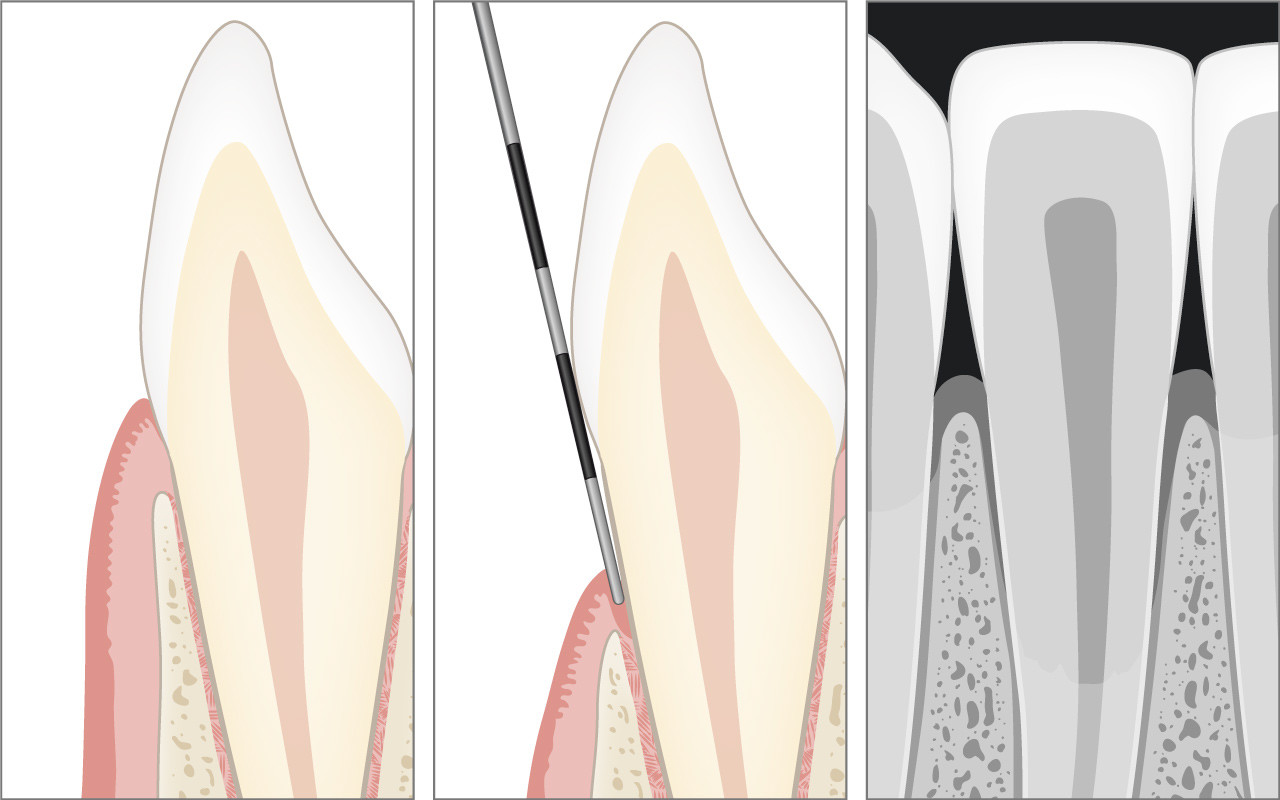
Diagnosis of gingival recession
Gingival recession is diagnosed in the dental practice. This is the only way to have the condition of the gums assessed correctly. In addition to the clinical assessment with a gum probe, X-rays are also used for the assessment.
Treatment of gingival recession
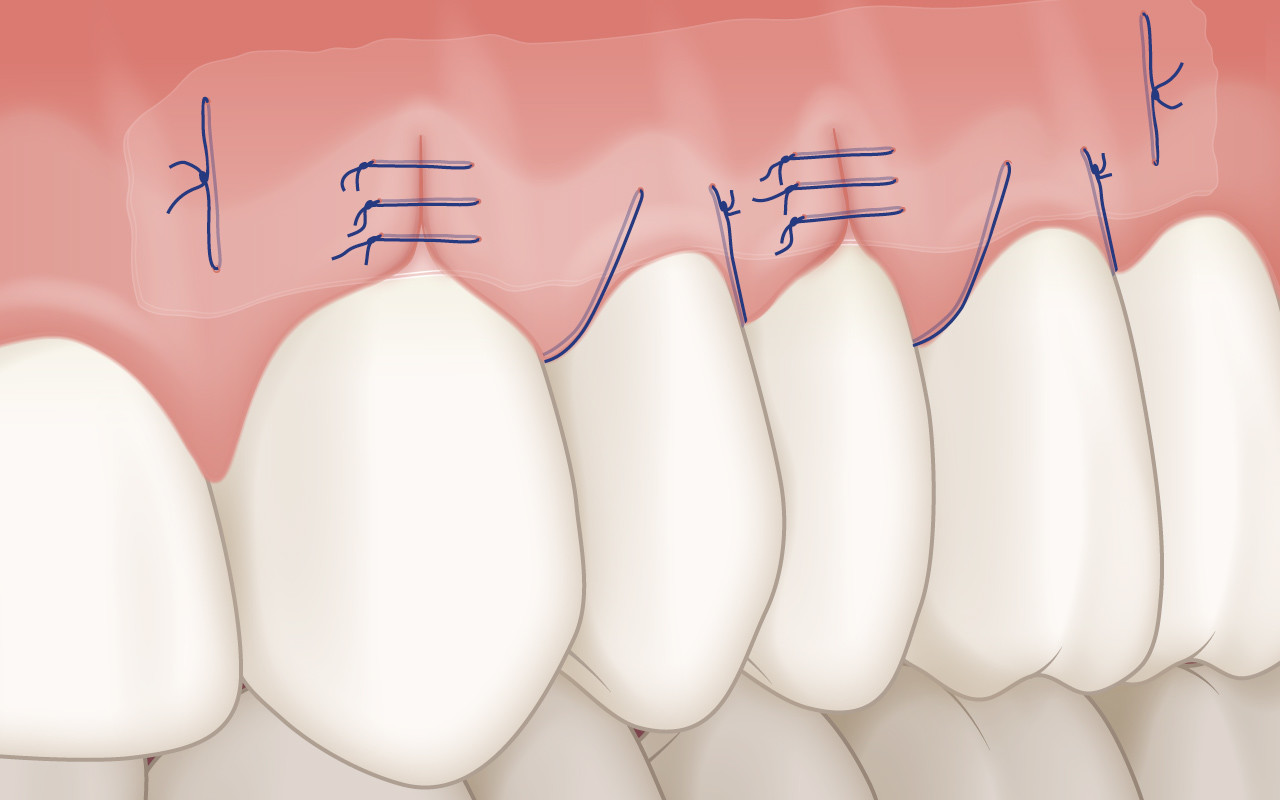
Reducing possible contributing factors and optimising oral hygiene at home are the first step in treating gingival recession. In addition, exposed tooth roots can be covered again with fillings at the tooth neck or with surgical measures.
Prevention of gingival recession
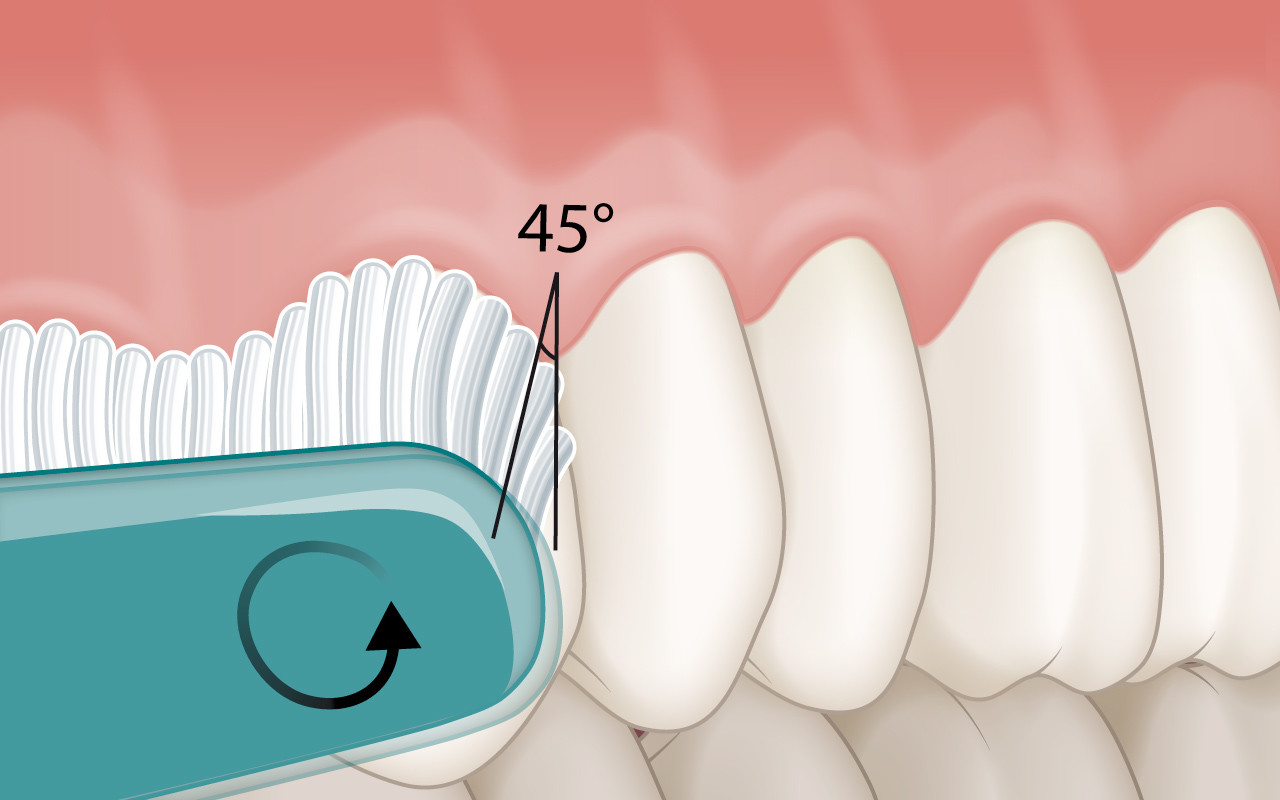
Optimising oral hygiene at home, regular check-ups with professional teeth cleaning in the dental practice and avoiding tobacco products are the best prevention of gingival recession.

Self-test
Could you be suffering from gingival recession? Take the self-test here.

Frequently asked questions
Frequently asked questions about gingival recession and our answers.